


This website is a reader-supported site. Purchases made through links may earn a commission. Read our disclosure to learn more.
Pregnancy unfolds in three stages called trimesters, and each is crucial for your baby’s growth. The first trimester lasts from conception to week 12 and involves significant hormonal changes and early fetal development.
The second trimester, from weeks 13 to 26, brings rapid growth and the first baby movements. Finally, the third trimester, extending to week 40, prepares you for labor and delivery.
Explore more about what each trimester entails and the changes you can expect.
Psst! If you’re already pregnant, check out our post on pregnancy tips for new moms.
Overview of Pregnancy Stages

Pregnancy is an incredible journey that unfolds in three distinct stages, known as trimesters. Each trimester plays a vital role in your baby’s fetal development.
The first trimester, lasting from conception to 12 weeks, is crucial as it lays the foundation for your baby’s growth. During this stage, the embryo transitions into a fetus, and major organs start to form.
You’ll experience various changes as your body adapts to this new life. It’s a time filled with excitement and uncertainty, as you begin to bond with the developing baby inside your uterus.
Understanding the stages of pregnancy helps you prepare for the journey ahead, ensuring you’re ready for the amazing changes that come with each trimester.
First Trimester of Pregnancy: Weeks 1-12

The first trimester, spanning from week 1 to week 12, marks the beginning of your pregnancy journey. During these initial weeks, you’ll likely confirm your pregnancy with a pregnancy test.
The embryo rapidly develops, transitioning into a fetus by week 8. You’ll experience significant hormonal changes that support this vital growth.
By week 12, the fetus has formed essential organs and systems, setting the stage for further development. Each week brings new milestones in the stages of fetal development, from the formation of the heart to the beginnings of the brain and spinal cord.
As you progress through these weeks from the first day of your last period, you’ll find every moment is a remarkable part of your journey.
Physical Changes in the First Trimester
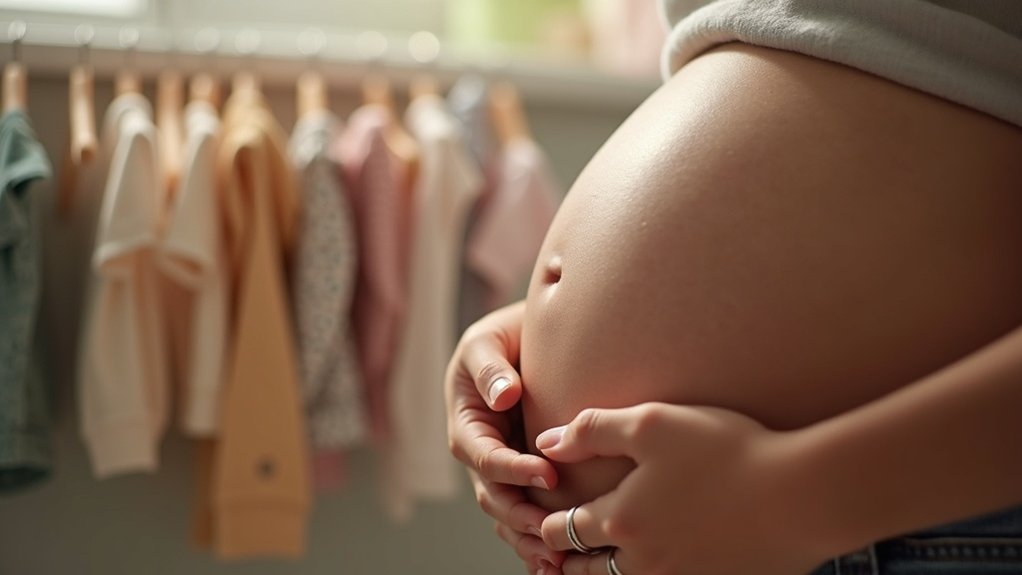
During the first trimester, you may notice several physical changes as your body adapts to the new life developing within you.
In early pregnancy, your hormone levels surge, leading to symptoms like fatigue, nausea, and breast tenderness. You might experience frequent urination as your growing uterus begins to press on your bladder.
As you progress through pregnancy week by week, you’ll also notice changes in your appetite and occasional food aversions.
By the end of this trimester, you may visibly show a baby bump as fetal development accelerates.
These changes are normal and essential as your body supports the growth of your baby, laying the foundation for a healthy pregnancy journey ahead.
Emotional Changes in the First Trimester

As you navigate the first trimester, your emotions may swing dramatically due to hormonal changes and the excitement of impending motherhood.
These emotional changes can be overwhelming, but they’re a normal part of the stages of pregnancy. You might find yourself experiencing:
- Joy and anticipation for your growing family
- Anxiety about your health and the baby’s development
- Mood swings that leave you feeling irritable or weepy
These fluctuations are influenced by pregnancy hormones, which can significantly impact women’s health.
It’s essential to embrace these feelings, knowing they’re part of a beautiful journey. Remember to reach out for support when needed, as this first trimester sets the stage for the incredible experience of motherhood ahead.
Second Trimester of Pregnancy: Weeks 13-26
After navigating the emotional ups and downs of the first trimester, you may start to feel more settled as you enter the second trimester, which spans from weeks 13 to 26.
This phase is significant for fetal development, as the fetus grows rapidly during this time. Around 12 weeks, your baby transitions from an embryo to a fetus, marking a crucial point in pregnancy week by week.
You might notice increased energy levels and a growing baby bump as the weeks progress. By week 20, you could even feel your baby’s first movements, which are exciting milestones.
Embrace these changes and continue to monitor your body’s signals as the second trimester unfolds, setting the stage for the final stages of pregnancy.
Physical Changes in the Second Trimester
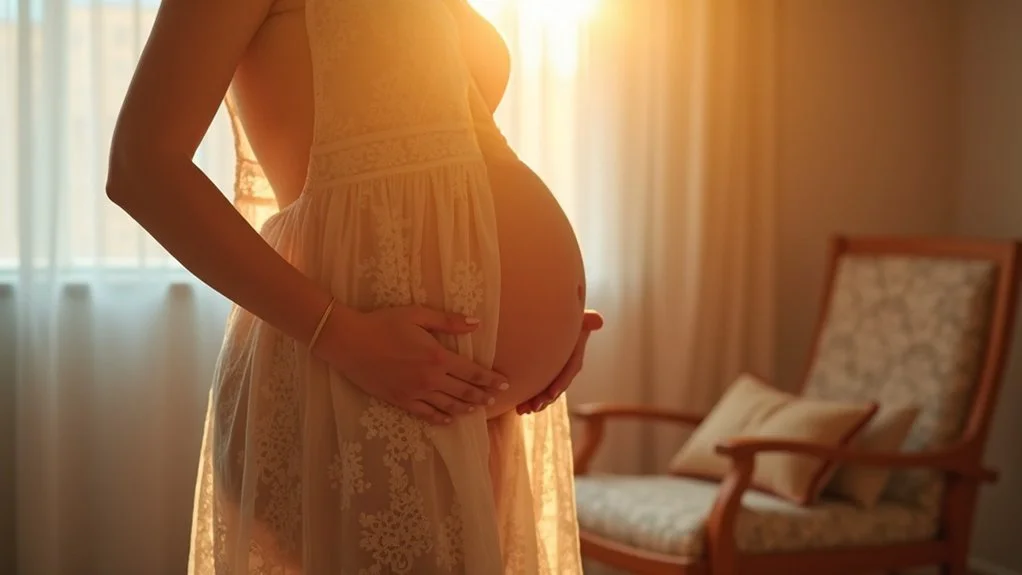
While you may feel more energetic in the second trimester, your body is also undergoing significant physical changes. As pregnancy progresses, you’ll notice your belly growing as your fetus develops rapidly, making room for all that fetal growth.
- You might experience more noticeable weight gain, which can be both exciting and overwhelming.
- Your skin may change, with the appearance of the “pregnancy glow” or even stretch marks, reminding you of this incredible journey.
- You could also feel your baby’s movements, a beautiful sign of life that brings a sense of connection.
These physical changes are a vital part of the stages of pregnancy, marking the transition into the second trimester where you truly begin to embrace your growing family.
Emotional Changes in the Second Trimester

During the second trimester, you may find that your emotions start to stabilize, creating a sense of balance after the initial hormonal rollercoaster of early pregnancy.
As your body adapts to the changes, you might experience less anxiety and more joy as you connect with your growing fetus. The emotional changes during this stage can also lead to increased excitement about fetal development and anticipation for the upcoming arrival.
You may feel more energetic and optimistic, enjoying the milestones in the stages of pregnancy. However, it’s important to recognize that fluctuations can still occur, so being gentle with yourself is essential.
Embrace these moments, as they’re a natural part of your journey through pregnancy.
Third Trimester of Pregnancy: Weeks 27-40
As you enter the third trimester, typically spanning weeks 27 to 40, your body prepares for the final stages of pregnancy and the arrival of your baby.
This period is marked by significant fetal growth and development as your baby gets ready for life outside the womb. Week by week, you may notice changes in your body, as you approach your due date with excitement and anticipation.
- You’ll feel your baby’s movements more distinctly.
- You may experience a mix of joy and anxiety about labor.
- The reality of full-term pregnancy begins to sink in.
Embrace this time, as it’s your last stretch before the beautiful birth of your baby!
Preparing for Labor and Delivery

Preparing for labor and delivery is an exciting yet crucial time in your pregnancy journey. As you enter the third trimester, it’s essential to focus on preparing for labor.
Familiarize yourself with the signs of labor and practice relaxation techniques to ease your anxiety. Create a birth plan outlining your preferences for the birth of your baby, including who’ll be there to support you.
Ensure your healthcare provider monitors your baby’s position, aiming for that head-down position for birth. Pack your hospital bag and arrange for transportation when the time comes.
40 Weeks of Pregnancy: Conclusion
Understanding the stages of pregnancy helps you embrace this incredible journey. Each trimester brings unique physical and emotional changes that shape your experience.
By staying informed, you can better prepare for the joys and challenges ahead, ensuring a healthy environment for your baby.
Remember, this journey is not just about the end goal of birth but also about cherishing each moment as your body nurtures new life.
Enjoy every step of this transformative adventure!
Read Next: Tips on Pregnancy for First-time Mothers