



This website is a reader-supported site. Purchases made through links may earn a commission. Read our disclosure to learn more.
We’ve had two successful pregnancies and these pregnancy tips to conceive do work. However, while we cannot conceive naturally (my husband has a rare genetic condition preventing this), these tips do work even with using IVF!
To boost your chances of conceiving, start by tracking your menstrual cycle to identify your fertile days. Maintain a healthy lifestyle with a balanced diet, regular exercise, and effective stress management.
Optimize your diet with whole grains, fruits, and healthy fats, while avoiding alcohol and limiting caffeine. Don’t forget to schedule preconception check-ups to ensure your overall health is in top shape.
There’s so much more to explore on this journey to conception!
Understand Your Menstrual Cycle

Understanding your menstrual cycle is crucial when you’re trying to conceive, as it helps you identify your fertile days.
By tracking your cycle, you can better predict ovulation, which typically occurs about 14 days before your next period starts.
Knowing when you’re ovulating can significantly improve your chance of getting pregnant.
Pay attention to changes in your body, such as cervical mucus and basal body temperature, as these can indicate your most fertile days.
Engaging in regular intercourse around this time maximizes your odds. So live with Nike’s motto in your mind during this time… just do it!
Maintain a Healthy Lifestyle

Tracking your menstrual cycle and identifying your fertile days are important steps toward conception and building your family.
To boost your chances of getting pregnant, maintaining a healthy lifestyle is crucial. Focus on a balanced diet rich in whole grains, fruits, and vegetables. This healthy diet supports your general health and prepares your body for pregnancy.
Avoid alcohol and limit caffeine intake, as these can affect your fertility and increase the risk of pregnancy complications. Regular exercise can also enhance your overall well-being.
Prioritize sleep and manage stress to create an optimal environment for conception.
By committing to these healthy habits, you’re not just working towards a healthy pregnancy; you’re laying the foundation for a thriving future for you and your baby.
Optimize Your Diet

Eating a well-balanced diet is essential when you’re trying to conceive, as the right nutrients can significantly enhance your fertility.
To optimize your diet, focus on whole grains, lean proteins, fruits, and vegetables. Incorporating healthy fats, like avocados and nuts, can also be beneficial.
If you’re planning for pregnancy, consider taking a prenatal vitamin that includes folic acid, which helps prevent birth defects.
Monitor your caffeine intake and avoid alcohol, as these can negatively affect your chances of getting pregnant. Staying hydrated is crucial too, so drink plenty of water.
Manage Stress Levels

Managing stress levels is crucial when you’re trying to conceive, as high stress can negatively impact your fertility. To improve your chances of getting pregnant, consider incorporating relaxation techniques into your daily routine.
Activities like yoga, meditation, or even simple breathing exercises can help you manage stress levels effectively.
In my 2nd pregnancy, I joined a prenatal yoga class and have found it extremely helpful in keeping stress levels down and my body warm/limber. Honestly, my biggest challenge these days is trying to remember the yoga pose names!
During this time of planning for pregnancy, prioritize self-care by ensuring you get enough sleep and stay physically active.
Engaging in hobbies you enjoy can also serve as a great outlet for stress relief. Remember, keeping a positive mindset is one of the best health tips you can follow.
Consider Preconception Check-ups

Before you start trying to conceive, it’s wise to consider scheduling preconception check-ups with your health care provider.
These check-ups can help ensure you’re in optimal health, identify any potential issues affecting your fertility, and provide guidance on planning for pregnancy.
Your provider might suggest taking a prenatal vitamin, especially one with folic acid, to support a healthy pregnancy.
The prenatal I’ve taken during both of my successful pregnancies is from a company called We Heart Nutrition. You can get that prenatal here.
Here’s a quick overview of what to expect during your check-up:
| Purpose | Benefits | Recommendations |
|---|---|---|
| Assess general health | Identify health issues | Schedule regular check-ups |
| Review medications | Optimize fertility | Discuss prenatal vitamins |
| Lifestyle assessment | Promote healthy habits | Dietary and exercise advice |
Track Ovulation

Tracking ovulation can significantly increase your chances of getting pregnant, as it helps you identify your most fertile days.
To track ovulation, monitor your menstrual cycle and note when ovulation occurs, usually about 14 days before your next period starts. You can use methods like tracking your basal body temperature or observing changes in cervical mucus to pinpoint your fertile window.
If you’d prefer to use an app to track, the one I used is called Mira Max Fertility Kit and you can get it off Amazon for around $180.
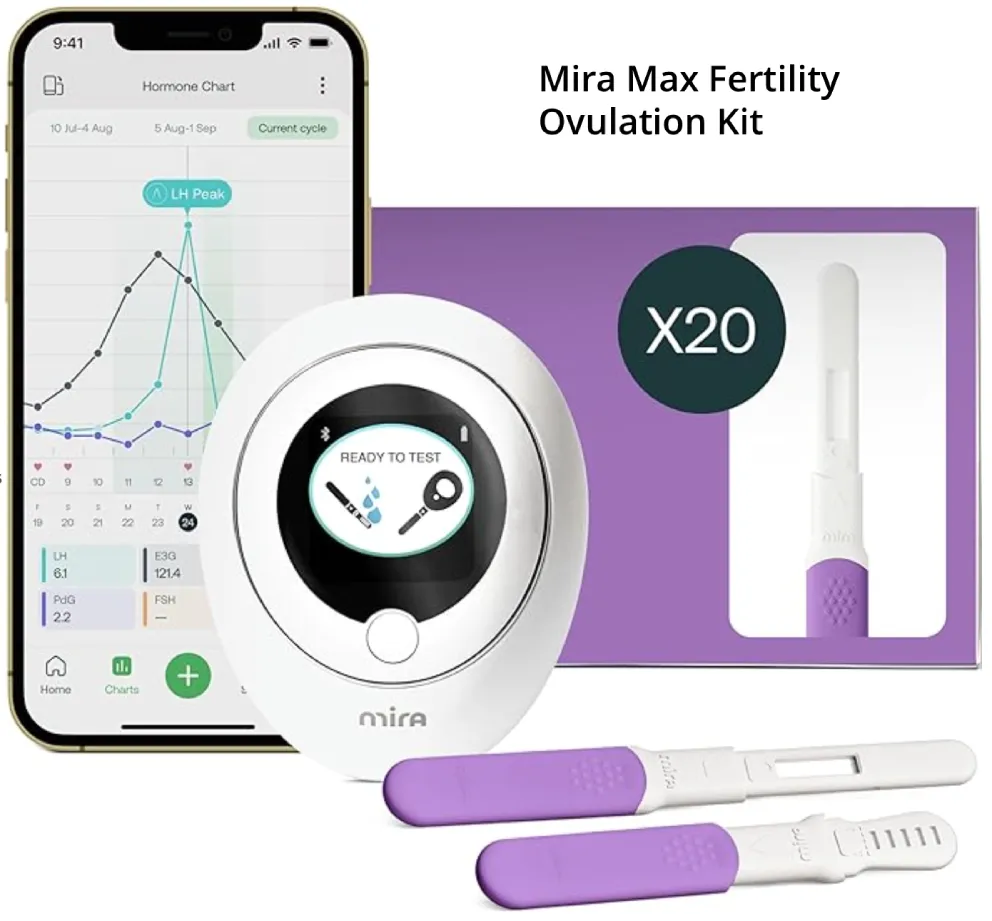
Aim to have sex around the time ovulation occurs, as sperm can live up to 5 days in your body. Knowing your cycle and when you’re likely to ovulate helps you time intimacy effectively.
Limit Harmful Substances

While planning for pregnancy, it’s crucial to limit harmful substances that can affect your fertility and the health of your future baby.
Start by avoiding alcohol and reducing your caffeine intake.
Helpful tip: a serving of dark chocolate contains more caffeine than decaf coffee!
Both (alcohol and caffeine) can impact your chances of conceiving and the development of your baby. Focus on preparing your body by adopting a healthy diet rich in whole grains, fruits, and vegetables.
Here’s a quick reference table:
| Substance | Impact on Fertility | Recommended Action |
|---|---|---|
| Alcohol | Decreases fertility | Avoid completely |
| Caffeine | May affect ovulation | Limit to 200 mg/day |
| Processed foods | Poor nutrition | Choose whole, natural foods |
Conclusion
By understanding your menstrual cycle and tracking ovulation, you can pinpoint your most fertile days.
Maintaining a healthy lifestyle, optimizing your diet, and managing stress levels will further boost your chances of conception.
Don’t forget to limit harmful substances and consider preconception check-ups to ensure your body is ready for pregnancy.
With these tips, you’re well on your way to making your dream of starting a family a reality.
Stay positive and patient—your journey is just beginning!
Resources
- We Heart Nutrition Wholesome Prenatal Vitamins (this is the one I take)
- Mira Max Fertility Ovulation Tracker and Test Kit (I use this)