


This website is a reader-supported site. Purchases made through links may earn a commission. Read our disclosure to learn more.
When you think about breakfast options, the German pancake often stands out for its simplicity and elegance. You might appreciate how it requires just a handful of ingredients yet delivers a stunning presentation. As you whisk together the eggs, milk, and flour, you’ll notice how effortlessly it transforms into a fluffy delight in the oven. But what’s truly fascinating is the history behind this dish and its variations across cultures. There’s more to discover about the origins and unique twists that can elevate your brunch experience.
Key Takeaways
- Combine 3 eggs, 1 cup milk, 1 cup flour, 1/4 cup sugar, 1/4 teaspoon salt, and 1 teaspoon vanilla for the batter.
- Preheat the oven to 425°F (220°C) and heat an oven-safe skillet with 1/4 cup melted butter.
- Pour the batter into the hot skillet and bake for 20-25 minutes until puffed and golden.
- Dust with powdered sugar and add toppings like berries or whipped cream for extra flavor.
- Serve immediately for the best taste and visual appeal of the puffed pancake.
History
The history of German pancakes, also known as Dutch babies, is as intriguing as their unique flavor. You might be surprised to learn that these fluffy delights didn’t actually originate in Germany. Instead, they trace their roots back to American kitchens in the early 1900s, particularly in Seattle, where a German immigrant introduced them. The name “Dutch baby” is thought to derive from a mispronunciation of “Deutsch,” meaning German.
As you explore the evolution of this dish, you’ll notice how its popularity spread across the United States. Often served for breakfast or brunch, German pancakes became a staple in many households. Their puffed-up appearance and light texture make them a favorite among families, especially when topped with powdered sugar, fresh fruit, or maple syrup.
Interestingly, the preparation method also reflects cultural influences. You’ll find that the batter is similar to that of Yorkshire pudding, emphasizing the blend of traditions that gives the German pancake its distinctive character.
Today, these delightful treats continue to captivate food lovers, proving that culinary innovation often comes from unexpected places, blending flavors and cultures in delicious ways.
Recipe
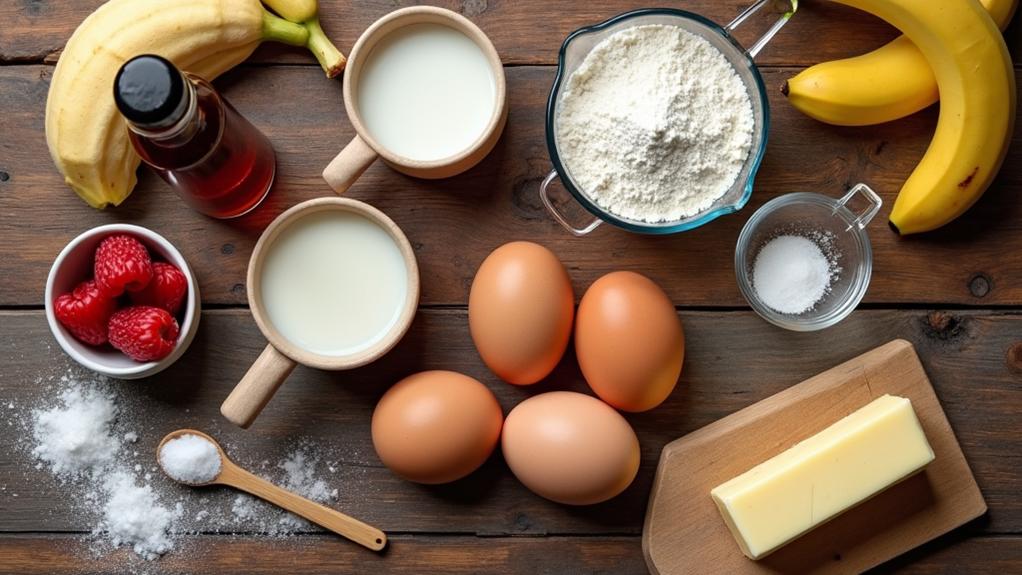
German pancakes, also known as Dutch babies, are a deliciously fluffy and versatile dish that can be enjoyed for breakfast, brunch, or even as a dessert. They puff up beautifully in the oven, creating a light and airy texture that pairs perfectly with a variety of toppings. The beauty of German pancakes lies in their simplicity, requiring only a few basic ingredients that you likely already have at home.
To make the perfect German pancake, you’ll want to start by preheating your oven and preparing your baking dish. The batter comes together quickly, blending eggs, milk, flour, and a touch of sugar for sweetness. Once baked, the pancake will rise dramatically and develop golden edges, creating a delightful presentation that’s sure to impress your family and friends.
Ingredients:
- 3 large eggs
- 1 cup milk
- 1 cup all-purpose flour
- 1/4 cup granulated sugar
- 1/4 teaspoon salt
- 1 teaspoon vanilla extract
- 1/4 cup unsalted butter
- Powdered sugar (for serving)
- Fresh fruit or syrup (optional, for serving)
To prepare the German pancake, preheat your oven to 425°F (220°C). In a mixing bowl, whisk together the eggs, milk, flour, granulated sugar, salt, and vanilla extract until smooth.
In a medium oven-safe skillet or baking dish, melt the butter over low heat, ensuring it coats the bottom and sides. Pour the batter into the skillet and transfer it to the preheated oven. Bake for 20-25 minutes or until the pancake is puffed and golden brown on the edges.
Remove from the oven and dust with powdered sugar and your choice of fresh fruit or syrup before serving.
When cooking German pancakes, it’s essential to use a hot oven and a preheated skillet to achieve the perfect rise. Avoid opening the oven door while baking, as this can cause the pancake to deflate.
For an extra touch, consider adding flavor variations by incorporating cinnamon or nutmeg into the batter, or experimenting with different toppings like berries, lemon juice, or whipped cream. Enjoy your delightful German pancake fresh out of the oven for the best experience!
Final Thoughts
Enjoying a freshly baked German pancake can elevate any breakfast or brunch to a special occasion.
It’s not just about the taste; it’s the experience of watching it puff up in the oven, creating an impressive centerpiece on your table.
The versatility of this dish is another reason you’ll love it. You can customize it with your favorite toppings, whether that’s fresh fruits, maple syrup, or a dusting of powdered sugar.
This recipe is simple yet satisfying, making it perfect for both casual mornings and festive gatherings.
With just a few ingredients, you’ll create a dish that looks and tastes gourmet.
Don’t hesitate to experiment with flavors and add-ins to make it your own.